Is a Data Science Degree Still Worth It in 2026

The world of data science is always changing, and fast. In 2026, many smart people who work with data face a big question: is getting a formal data science degree still the best way to move ahead? Or are there other ways to learn and get hired?
It’s true that companies are now looking closely at what you can do rather than just what degrees you have. In fact, almost 70% of businesses are focusing more on skills than old-fashioned degrees when hiring new staff 67 Hiring Statistics for 2026.
They want to see practical experience and real projects you’ve finished, not just certificates from online courses What Hiring Managers Want in Data Science in 2026.
This guide is here to help you figure out if a data science degree is right for you in today’s job market.

We will look at what a bachelor’s in data science or a masters degree in data analytics actually teaches you. We’ll also explore what kind of jobs you can get with these degrees and how they compare to fields like data science vs statistics. You will learn about:
- What you study: We’ll cover what a typical data science degree program includes.
- Job opportunities: See what career paths open up after you get your degree.
- Real-world skills: Discover how degrees help you build the practical know-how that employers want in 2026. If you’re looking to show off your abilities, a strong collection of your work can make a big difference, so consider learning how to build a data analysis portfolio that gets you hired in 2026.
- Next steps: Find clear advice on how to choose the right program or learning path for your goals.
By the end of this guide, you will have a much clearer picture of whether a data science degree still makes sense for your future. You’ll also be ready to make smart choices about your education and career.
Stay informed about the fastest changes in AI and technology. Get clear daily AI updates from The AI Newsletter Worth Reading.
A data science degree is designed to give you a strong mix of skills from different areas. It’s not just about one subject. Instead, it pulls from computer science, math, and statistics to help you understand and work with data.
Here’s a look at what you would typically learn in a data science program:
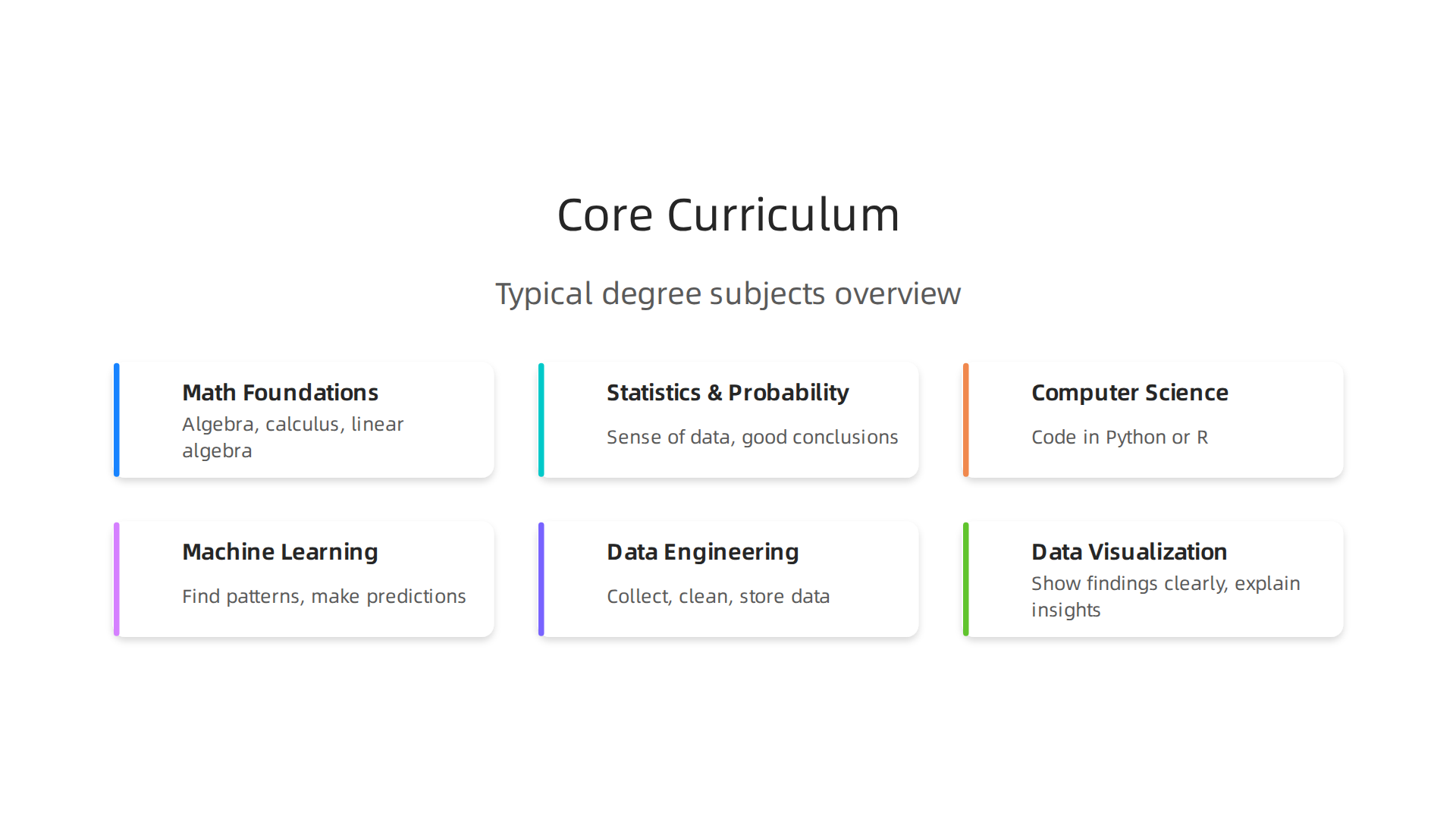
Core Subjects You Will Study
When you pursue a data science degree, you’ll dive into several important subjects:
- Math Foundations: You’ll learn about algebra, calculus, and linear algebra. These are like the building blocks for understanding how data models work.
- Statistics and Probability: This is a big part of knowing how to make sense of data and draw good conclusions. You’ll study things like hypothesis testing and statistical modeling. This area helps you see the difference between simple data science vs statistics, understanding that while statistics is a core part, data science applies these ideas with computing power to solve real problems Curriculum Guidelines for Undergraduate Programs in Data Science.
- Computer Science and Programming: You’ll learn how to code, usually in languages like Python or R. This helps you manage large amounts of data, build computer programs, and create powerful algorithms. Understanding essential tools like Python for data science and machine learning in 2026 is key.
- Machine Learning (ML): This is where you learn to teach computers to find patterns in data and make predictions. It covers things like supervised and unsupervised learning.
- Data Engineering: This involves learning how to collect, clean, store, and get data ready for analysis. It’s about making sure the data is good and easy to use.
- Data Visualization and Communication: You’ll learn to show your findings clearly using charts and graphs. More importantly, you’ll learn how to explain complex data insights to people who might not be experts.
What You Will Be Able to Do
Graduates with a data science degree are expected to have a set of core abilities. For instance, a bachelor’s in data science often means you can bring together ideas from math, computer science, and statistics to solve data problems. You’ll also know how to use tools to manage data and make sure your work can be checked by others Data Science, BS – LEARNING OUTCOMES.
For those getting a masters degree in data analytics, the focus can be even deeper. These programs often teach you to use strong numbers-based thinking and industry knowledge to apply advanced data analysis to real-world business challenges Five year Integrated M.Sc (Data Science) Degree Program. This means you’re not just learning the basics, but also how to solve complex problems in specific fields.
Programs can be offered in different ways too. Some are in-person at a college, others are fully online, and some use a mix of both. No matter the format, the goal is to give you the skills needed to tackle today’s data challenges.
While a data science degree offers a comprehensive learning journey, it’s not the only way to get into the field. Many people wonder about the difference between a data science degree and other options like bootcamps, certificates, or learning on your own. Each path has its own benefits, especially when we think about how fast you can get a job, how much you learn about the deeper theories, and what employers think.
Data Science Bootcamps: Fast Track to Skills
Data science bootcamps are shorter, very focused programs. They usually teach you practical skills needed for entry-level jobs in a few months. This is different from a longer bachelor’s in data science or a masters degree in data analytics, which take years.
Bootcamps can get you ready for a job quickly. Many audited programs report that 64% to 78% of their graduates find jobs in the field within 180 days (about six months) of finishing, with many landing a first job in just 3 to 6 months after graduation AI Certifications vs Degrees vs Bootcamps: ROI – Blockchain Council.
For example, some top bootcamps report 74% to 84% job placement within six months Best Data Science Bootcamps 2026 – Hakia. When it comes to pay, bootcamp graduates often start with salaries similar to or just a bit less than degree holders in their first roles. For instance, in AI engineering, new bootcamp grads might average $147,000, compared to $152,000 for degree holders. But as people gain more experience, these salary differences often disappear AI Bootcamp Vs Degree Outcomes 2026: Industry Report.
The main difference is the depth of learning. Bootcamps focus on "how to do" things, giving you a toolkit of skills. A data science degree, especially one that goes deep into data science vs statistics, provides a stronger base in math and theory. This can be important for roles that require solving very new or complex problems, or for moving into research.
Certificates and Self-Taught Journeys
Certificates are often even shorter than bootcamps and usually focus on a very specific skill, like a certain programming language or a type of machine learning. They are good for adding to your existing skills or exploring a new area without a huge time commitment.
Learning on your own is another path. This is very flexible and can be cheap, but it needs a lot of self-discipline. You would learn from online courses, tutorials, books, and by working on your own projects. For self-taught individuals, showing what you can do through a strong portfolio of projects is key to impressing employers.
What Employers Look For
In 2026, employers value both practical skills and deep understanding. For entry-level positions, a good bootcamp or a well-built self-taught portfolio can open doors. However, over the long run, studies show that degree holders might see more career growth and have an easier time moving into more advanced or research-focused roles Degree vs Bootcamp Outcomes After 5 Years (2026 Research). A data science degree often signals a deeper theoretical foundation, which can be important for senior roles or if you want to work on cutting-edge machine learning projects.
Choosing Your Best Path
Deciding which path to take depends on your personal goals, how much time you have, and your budget.

- Choose a Data Science Degree if: You want a deep understanding of theory, have several years to dedicate, aim for research roles or leadership positions, and prefer a structured learning environment.
- Choose a Bootcamp or Certificate if: You want to gain practical skills quickly, enter the job market faster, have a specific job type in mind, or want to specialize.
- Choose a Self-Taught Path if: You are highly self-motivated, budget-conscious, enjoy learning at your own pace, and are good at building projects to show your skills.
No matter which way you go, staying updated is crucial in data science. New tools and methods appear all the time. To keep up with these changes, it helps to follow reliable sources.
Get clear daily AI updates from The AI Newsletter Worth Reading.
Choosing your path in data science is a big step. Once you have a data science degree or other training, the next step is to understand what hiring managers really look for. It’s not just about having a diploma. In 2026, employers want to see that you can do the work.
How Employers Evaluate Candidates with Data Science Degrees
Even with a strong data science degree, companies want to see more than just good grades. They look at a few key things to decide if you are the right fit for the job.
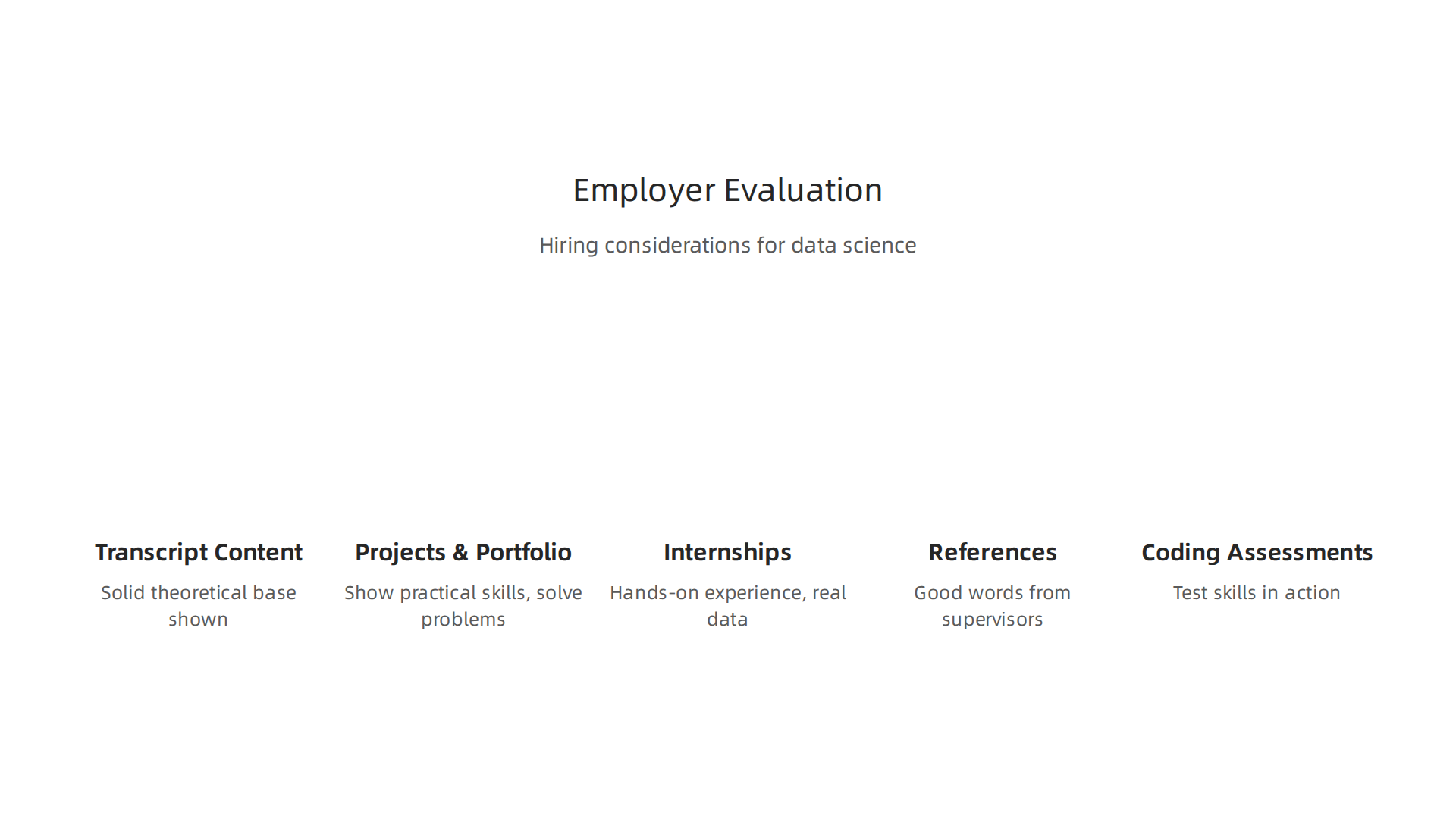

- Transcript Content and Deep Understanding: Your grades in a data science degree, especially in tough subjects like data science vs statistics or advanced math, show you have a solid theoretical base. This is important for roles that need a deep understanding of how things work behind the scenes. However, it is rarely the only thing they look at.
- Projects and Portfolio: Employers really want to see what you’ve built. Projects are super important because they show off your practical skills and how you solve real problems. A strong portfolio with real-world projects is often more important than just collecting online certificates What Hiring Managers Want in Data Science in 2026. You need to show "production evidence" like models or analytics workflows that have actually been used Data Scientist Hiring: Your 2026 Playbook for Tech.
- Internships and Work Experience: Hands-on experience during an internship or any previous job is highly valued. It shows you can work in a team and handle real company data. Actually doing work is better than just having projects on your resume Breaking Into Data Science in 2026: What Actually Works Now.
- References: Good words from your professors, internship supervisors, or previous bosses can make a big difference. They tell employers about your work ethic and how well you get along with others.
- Practical Coding Assessments: Many companies will give you a coding test to see your skills in action. They want to know you can write code in languages like Python and SQL, which are basic needs for data science jobs in 2026 Data Science Hiring in 2026: What’s Changing. They might even test you on how to explain your findings in a business setting How to Hire a Data Scientist in 2026.
Different Roles, Different Expectations
What an employer focuses on also depends on the job you want.
- Data Analyst: For a data analyst, employers often look for skills in cleaning data, making dashboards, and explaining what the data means to business teams. A strong understanding of practical tools is key. If you’re looking for these kinds of roles, check out what kind of Data Analyst Skills Employers Demand in 2026.
- Machine Learning Engineer: If you’re aiming to be an ML engineer, you’ll need to show you can build and deploy machine learning models from start to finish. This means understanding how to get models working in real-world systems.
- Research Scientist: For a research scientist role, a deeper theoretical background, often gained from a masters degree in data analytics or a bachelor’s in data science, becomes much more important. These roles often involve solving very new problems and require a strong grasp of the science behind the methods.
In 2026, companies are moving towards hiring based on skills more than just degrees, with nearly 70% of organizations now looking at skills first 67 Hiring Statistics for 2026. They also want a good balance of both technical skills and "soft skills" like communication, teamwork, and problem-solving Essential Strategies for the Future of Hiring in 2026. To get hired, you need to show you have both the knowledge and the ability to apply it. Knowing how to land entry-level data science jobs in 2026 means focusing on proving your abilities.
Getting a data science degree is a great start, but employers want to see what you can actually do. They really like to see proof of your skills, not just a diploma. This means building a strong portfolio and getting real-world experience even while you are studying.
Making Your Course Projects Stand Out
Your school projects are a chance to show off what you’ve learned. Don’t just do the minimum to get a good grade.

Here’s how to make them shine:
- Solve Real Problems: Pick projects that solve a real problem or answer a real question. This shows you can think like a data scientist. Think about how to clean, manage, and use data to find answers, which is a key part of any data science journey. Data science programs often focus on this "data management and reproducibility" from the start Data Science, BS – LEARNING OUTCOMES.
- Go Beyond the Basics: If your class project is about understanding "data science vs statistics," try to use real data instead of just example data. Look for ways to apply what you’ve learned in new and creative ways.
- Show the Whole Process: A good project isn’t just about the final answer. It’s about how you got there. This means getting the data, cleaning it up, doing the analysis, and then showing what you found. It’s like taking a friendly walk through your project from start to finish A friendly walk-through of a Data Science Capstone Project.
- Teamwork Matters: If you work in a team, try to take the lead on a part of the project. This shows you can work well with others.
Gaining Experience Outside the Classroom
Beyond schoolwork, real experience makes a big difference.
- Internships: Internships are super valuable. They let you work with real company data and see how data science is used every day. You learn to work in a team and handle bigger projects.
- Research Collaborations: If you’re doing a bachelor’s in data science or even working towards a masters degree in data analytics, helping professors with their research can teach you a lot. This kind of work helps you dig deeper into topics and might lead to new discoveries.
- Open-Source Contributions: Joining open-source projects means working on software that anyone can use and change. It’s a great way to improve your coding skills and show you can work with people all over the world.
Showing Off Your Work: Portfolio and CV
Once you’ve done all this great work, you need to show it off clearly.
- Reproducible Work: Make sure your projects can be easily understood and run by others. This means keeping your code organized and using tools like Git to track changes. You should also write a clear README file that explains your project, how it works, and what it does How to Write a Data Science Capstone Project – Research Topics.
- Measurable Outcomes: Don’t just say you did a project. Talk about the results. Did your project help make something faster? Did it find something new? Numbers and clear outcomes are important.
- Build a Portfolio: A good portfolio brings all your best projects together. It’s a key part of showing employers what you can do. If you want more tips on how to make your work shine, learn how to build a data analysis portfolio that gets you hired in 2026. This can help you present your work effectively and stand out from other job seekers.
Now that you have learned how to show off your skills, you might be thinking about going even further with your education. A basic data science degree is a great start, but the world of data science has many paths. Some roles need more special schooling or higher degrees.
Specialization Paths
Data science is a big field, like a tree with many branches. After getting your first degree, you can choose to become an expert in a special area.
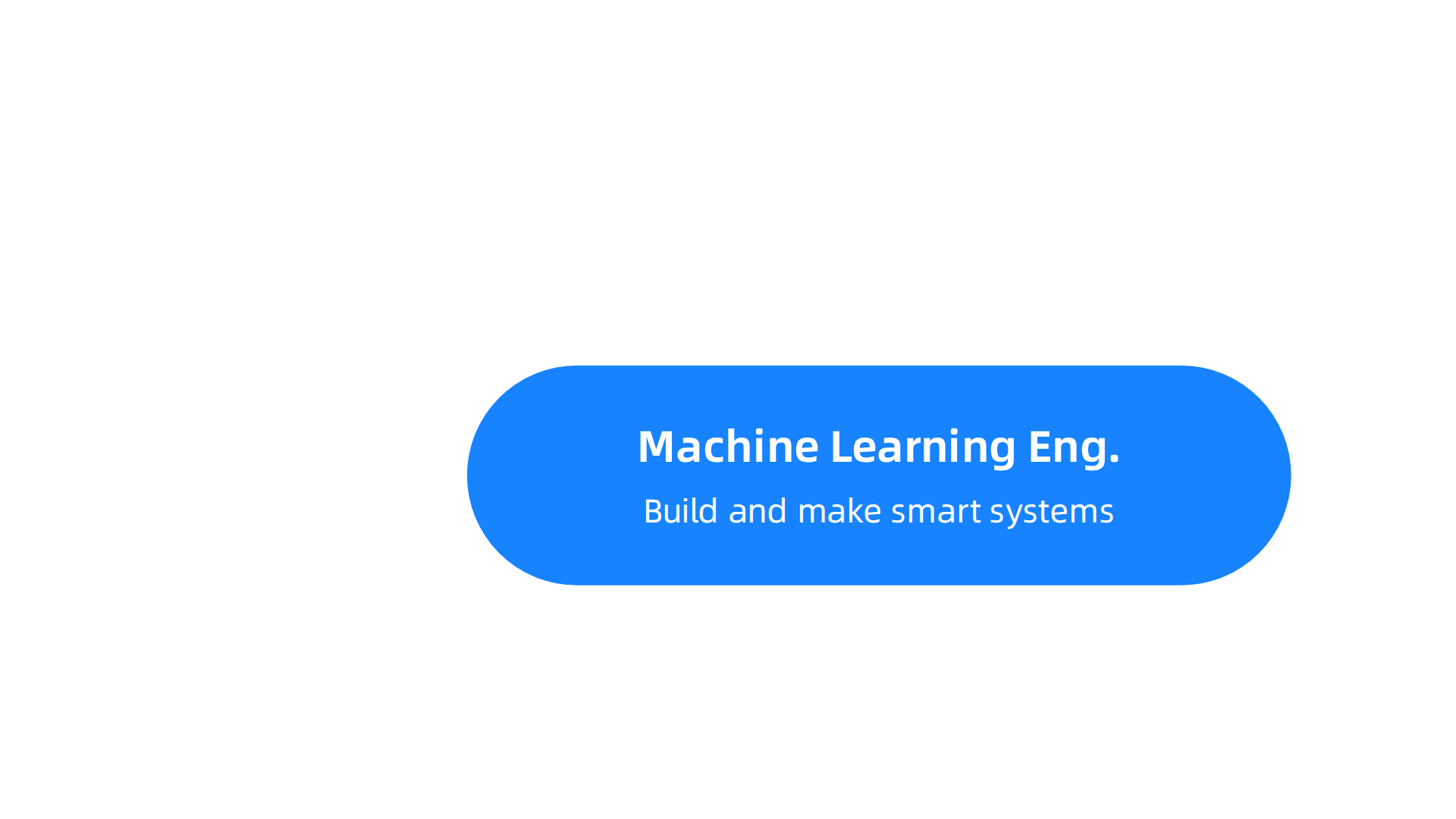
- Machine Learning Engineering: This path is about building and making sure smart systems, like those that power recommendations or self-driving cars, work well. It combines strong coding skills with knowledge of how machines learn.
- Research Scientist: If you love finding new ways to solve problems and digging deep into theories, this might be for you. Research scientists often create brand new data methods. This kind of role often needs a very high degree, like a PhD. You can learn more about the AI development roadmap for 2026 for this path.
- Natural Language Processing (NLP): This is about teaching computers to understand and use human language. Think about chatbots or tools that summarize long texts.
- Computer Vision: This area focuses on teaching computers to "see" and understand images and videos, like how facial recognition works.
- Applied Analytics: Here, you use data to help businesses make smart choices. You might look at sales data to see what customers want or figure out how to make things run better.
Advanced Degrees and When to Pursue a Master’s or PhD
A bachelor’s in data science sets a good base, but some jobs or career goals might need more schooling.
When a Master’s Degree Can Help
Many people wonder if a master’s in data science is worth it. It often is, especially if you want to grow your career or earn more money.
A master’s degree, like a masters degree in data analytics, can lead to higher starting salaries and faster promotions into bigger roles in 2026 Data Science Salary 2026: Trends, ROI & Career Guide. For example, master’s degree holders often earn more money each week compared to those with just a bachelor’s degree Is a Master’s Degree in Data Science Worth It? – Coursera.
It can also be very helpful if you are changing careers and need to quickly gain new skills Should I do a Masters in Data Science? This is not an easy …. It helps you build deep technical skills in areas like machine learning and lets you get more hands-on practice through projects and internships Is a Master’s in Data Science Worth It in 2026?.
When a PhD is Right
A PhD is the highest degree you can get. It shows you have very deep knowledge and can do original research.
You usually only need a PhD if you want to work as a research scientist, teach at a university, or work on very new and complex problems. A PhD proves you have a higher level of knowledge than even master’s degree holders Is a PhD in Data Science Worth It?. For most everyday data science jobs, an online master’s degree is often enough, while a PhD is mostly for research roles Is a Data Science Degree Worth It in 2026? Cost, ROI & Alternatives.
Choosing an advanced data science degree depends on what you want to do. Sometimes, getting more work experience after your bachelor’s degree can be just as good, or even better, than getting another degree right away.
The previous section talked about advanced degrees. But getting another formal data science degree is not always the best next step. Sometimes, keeping your skills sharp in other ways is even more helpful. The world of data science changes super fast. What’s new today might be old tomorrow! So, learning never really stops for a data scientist.
Ways to Keep Learning
There are many good ways to keep growing your knowledge and skills without needing to go back to school for years.
- Certificates and Short Courses: You can take quick classes or get certificates from online platforms. These can teach you a new tool, like a special Python library, or a new method. But be careful! In 2026, hiring managers look for more than just badges on your resume. They want to see what you can actually do. For example, having many certificates but no real projects might not get you hired, according to What Hiring Managers Want in Data Science in 2026.
- Building Projects and Portfolios: This is super important. Showing off projects you have worked on, especially ones that solve real problems, tells employers you have practical skills. Think of it like a builder showing pictures of houses they built, not just their tool collection. Learning how to build a strong data analysis portfolio can really help you get hired.
- Online Communities and Forums: Joining groups online where data scientists talk and share ideas can teach you a lot. You can ask questions, help others, and learn about new trends.
- Conferences and Webinars: Going to online or in-person events lets you hear from experts and see what new things are happening in the field.
- Curated Newsletters: Getting important news and updates sent right to your email inbox can save you time. These newsletters often pick out the most important research or tools you need to know about.
Evaluating Certificates: What’s the Real Value?
When you think about taking a certificate course, ask yourself: Will this help me build something real? Will it make my work better? Companies in 2026 are moving towards "skills-based hiring," meaning they care more about what you can do than just what degrees or certificates you have, as shown by 67 Hiring Statistics for 2026.
A good certificate should give you the knowledge to then go and apply it. If it helps you learn a skill that you can show in a project or use in your current job, then it is probably a good choice. Otherwise, it might just be a piece of paper.
To stay ahead in data science, keeping up with the fast pace of AI and machine learning is key. Get clear daily AI updates from The Deep View Newsletter to help you do just that. The AI Newsletter Worth Reading
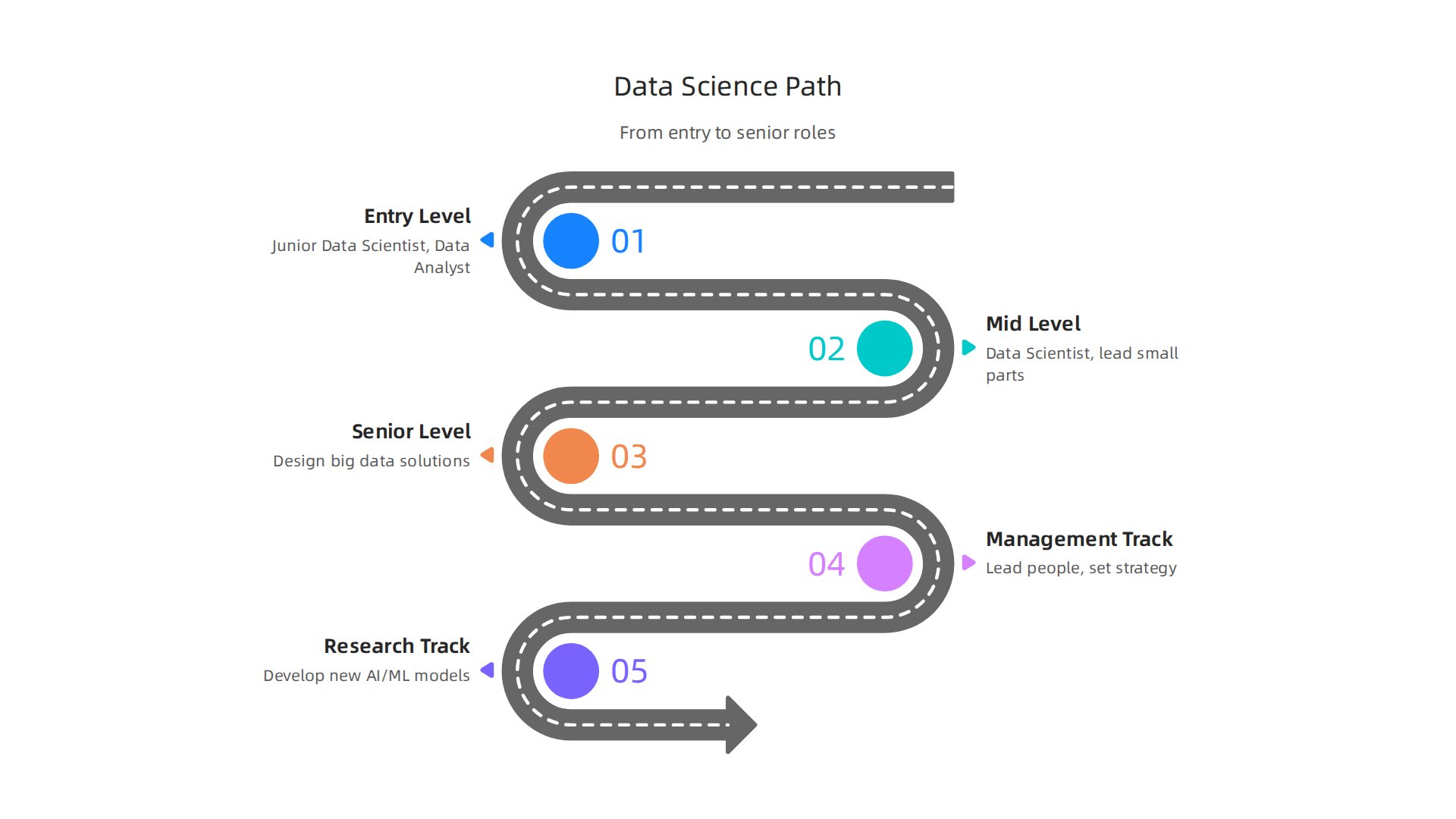
Learning and growing your data science skills is a journey that changes as you move up in your career. What you learn and how you learn it will look different depending on where you are on your path. Let’s look at how a data science career usually grows, from just starting out to leading teams or doing deep research.
Entry-Level: Your First Steps (0-2 Years)
When you first begin, you might be a Junior Data Scientist or a Data Analyst. Your main job is to learn the ropes, clean data, and make basic reports. This is where you build your core skills. Many people start with a bachelor’s in data science or even a strong project portfolio from a data science bootcamp. The focus here is on showing you can handle data and solve simple problems. To get these first roles, look into data analyst entry-level jobs and understand what companies are looking for.
Mid-Level: Growing Your Expertise (2-5 Years)
After gaining some experience, you become a Data Scientist. At this stage, you work on harder projects, might lead small parts of a team’s work, and help junior colleagues. This is when your skills deepen, and you start making more important decisions based on data. Sometimes, getting a masters degree in data analytics can help you specialize or move into certain complex areas. Your salary usually grows quite a bit during these years as you become more valuable to companies.
Senior Level: Leading the Way (5+ Years)
As a Senior Data Scientist or Lead Data Scientist, you are in charge of designing big data solutions and guiding entire projects. You make important calls that affect the business. Here, it’s not just about technical skills, but also about knowing how data science helps the company’s goals, being adaptable, and having good judgment. Recruiters in 2026 are looking for people who can show "production evidence" like working models and examples where their analysis changed a product or decision, according to the Data Scientist Hiring: Your 2026 Playbook for Tech.
From the senior level, your career can often take one of two main paths:
- Management Track: You become a Data Science Manager or Director. Here, your focus shifts from doing the data science work yourself to leading people, setting team strategy, and making sure your team’s work helps the company grow. This path needs strong leadership and communication skills.
- Research Track: You might become a Research Scientist or a Principal Data Scientist. This path is all about digging deep into new methods, developing new AI or machine learning models, and sometimes publishing your findings. A strong background, possibly including another data science degree, might be very helpful here, especially if you’re exploring complex topics like the difference between data science vs statistics in research.
Salary and Long-Term Mobility
Your salary tends to go up significantly as you move from entry-level to senior roles. In the beginning, the difference in pay between someone with a bachelor’s in data science and a bootcamp graduate might be small. For example, some reports in 2026 show that new AI engineers from bootcamps and those with degrees have similar starting salaries, around $147k to $152k. However, as you get to senior levels, these differences can shrink or disappear, with both groups earning around $210k plus bonuses, according to the AI Bootcamp Vs Degree Outcomes 2026: Industry Report.
What truly helps you move up in the long run is not just your initial data science degree but your proven ability to apply your skills, build real projects, and keep learning.
Summary
This article helps you decide whether a formal data science degree still makes sense in 2026 by weighing what degrees teach against faster, skills-focused alternatives. It explains the core curriculum of data science programs—math, statistics, programming, machine learning, data engineering, and communication—and shows what graduates can do with a bachelor’s or a master’s. The guide compares degree paths to bootcamps, certificates, and self‑teaching, noting trade-offs in depth, speed to hire, and long‑term career mobility. It details how employers evaluate candidates today (transcript content, projects, internships, coding tests, and references) and gives practical advice for making course projects and portfolios stand out. You’ll also find guidance on specializations, when to consider a master’s or PhD, and ways to keep learning without another full degree. After reading, you’ll be able to choose the best education path for your goals and prepare the portfolio, experience, and skills that hiring managers actually reward.