Master Python Data Analysis Tools for Machine Learning in 2026

Why the Python ecosystem still matters for ML in 2026
You might wonder if Python is still the top choice for machine learning (ML) tasks in 2026. The answer is a clear yes. Python continues to be a go-to language for many professionals working with data and AI.

It helps across all the main steps of a machine learning project, from getting the data ready to making smart models and putting them to use.
Think about it: Python is great for gathering information, cleaning it up, and then looking for patterns. It has lots of useful tools, often called libraries, that make these jobs easier. For example, libraries like Pandas are essential for working with data tables, and NumPy helps with number tasks. These powerful python data analysis tools are why many experts still rely on it for complex work Python in Data Analysis: The Ultimate Step-by-Step Guide.
It’s not just about one part of the job; Python covers everything from data entry to training advanced models and putting them into action where they can help businesses. Many guides, like a comprehensive Python for Data Science: A Survey of Methodologies, Tools …, highlight its rich ecosystem.
However, even with such a strong foundation, professionals still face big challenges in 2026. One challenge is having too many tools to choose from. It can be hard to know which ones are best for a specific job. Another problem is keeping up with all the new ideas and updates in the fast-moving world of AI. What was cutting-edge last year might be old news today. Plus, getting a research idea from a lab experiment to a working product that people can actually use is often tricky. This is where understanding and using the right python data analysis tools becomes very important.
To navigate these problems, it helps to dive deep into the ecosystem. Knowing how to use a python interpreter effectively, handle a python dictionary, or even work in online environments like google colab python can make a huge difference. If you’re looking to choose the best platforms for your team, learning about different Data Analysis Tools 2026 can help simplify the process.
Stay ahead with daily insights and breaking news in the world of AI. Get clear daily AI updates from The AI Newsletter Worth Reading.
A concise map of Python data analysis tools and where they fit
It’s true, figuring out which python data analysis tools to use can feel a bit like looking at a huge map with too many roads. But don’t worry. We can break down these tools into groups based on what job they do in a machine learning project. This way, you’ll see how different tools work together.
Most data projects follow a path from start to finish. Here’s a look at the core libraries for each step:
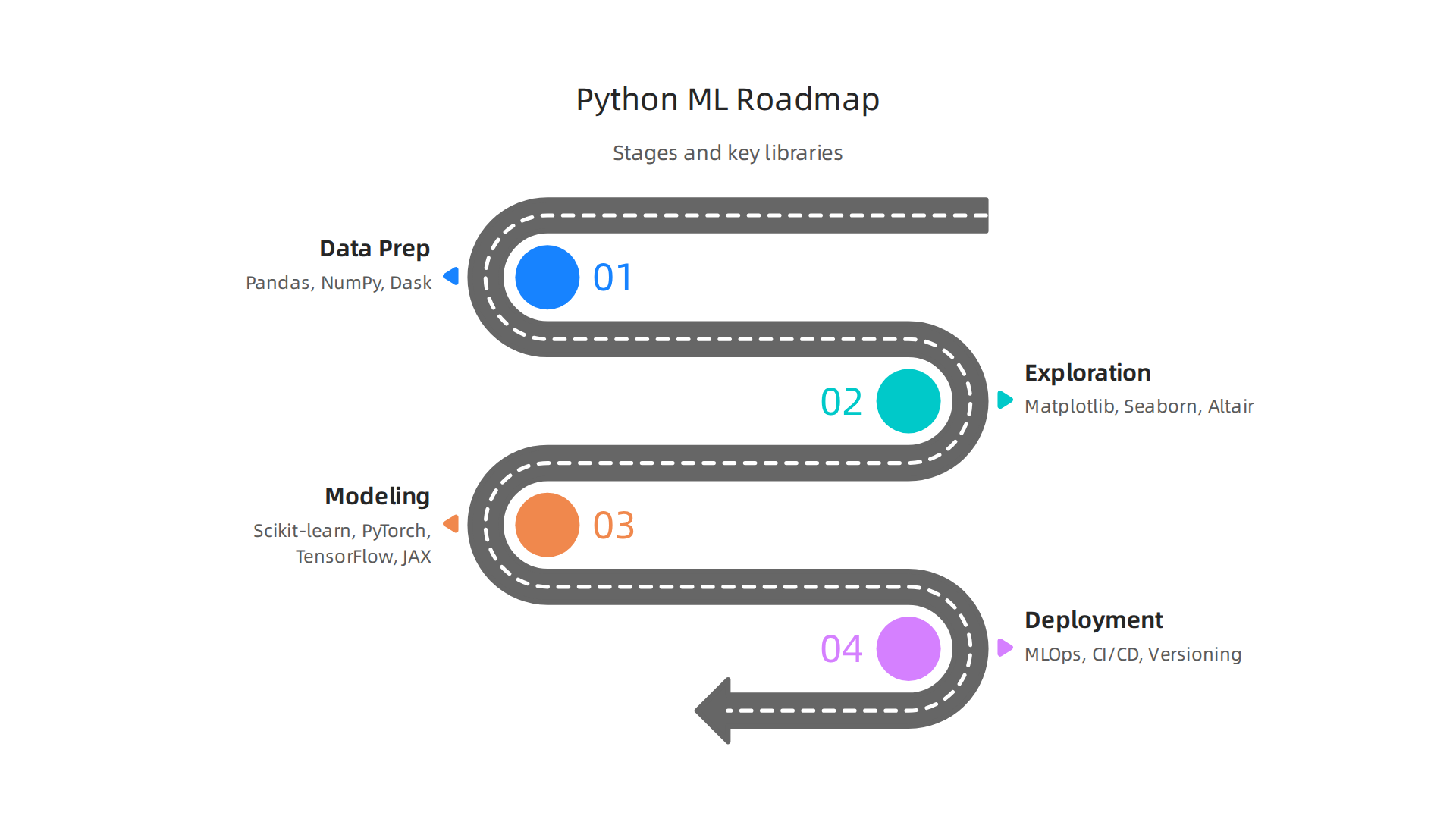
- Getting Data Ready (Ingestion and Cleaning): Before you can do anything smart with data, you first need to collect it and make it clean. This often means getting data from different places and fixing any mistakes. Pandas is still king here. It helps you bring in data from many sources, like spreadsheets or databases, and then clean it up. Think of it as sorting through messy toys before you can play with them. For deeper understanding of how data flows, learning about electronic data gathering and retrieval for machine learning pipelines in 2026 can be really helpful.
- Looking at Data (Exploration and Visualization): Once your data is clean, you want to see what stories it tells. Tools like Matplotlib and Seaborn help you draw pictures of your data, like charts and graphs. These pictures make it easy to spot patterns or problems. Imagine drawing a picture of your toy collection to see which colors you have most of.
- Building Smart Models (Modeling and Machine Learning): This is where the machine learning magic happens. Libraries like scikit-learn are fantastic here. They have many ready-to-use tools for building models that can learn from your data. For example, if you want your computer to guess the price of a house based on its size, scikit-learn has the functions you need. It’s often recommended as a fundamental library in many guides, including The 48 Best Open-Source Python Libraries and Tools in 2026.
If you’re using an environment like google colab python, these libraries are usually easy to set up.
- Putting Models to Work (Deployment): After you build a great model, you need to share it so others can use it. This might mean making it a part of an app or a website. Tools like Flask or FastAPI help you make your model available over the internet, turning it into something useful for everyone.
How These Python Data Analysis Tools Work Together
One great thing about python data analysis tools is how well they communicate. Many libraries, especially Pandas and NumPy, share a common language for data. Pandas uses DataFrames, which are like smart tables, and NumPy uses arrays, which are like lists of numbers. These can often be easily changed from one type to another. For example, you might get data into a Pandas DataFrame, turn it into a NumPy array for a scikit-learn model, and then get the results back as a Python dictionary. Understanding this teamwork is key to making your data projects smooth and fast. You can dive deeper into these core libraries for data science in 2026 by exploring resources like Top 31 Python Libraries for Data Science in 2026.
Pandas and NumPy are truly the backbone of many python data analysis tools, working together like a well-oiled team. We just talked about how they form a common language for data. Now, let’s look closer at why they are so vital for getting data ready and making it easy to work with. We’ll also see when you might need other tools, especially for bigger or faster data.
Pandas: Your Go-To for Structured Data
Pandas is like a super-smart spreadsheet for your computer. It uses something called a DataFrame, which is a table that holds different kinds of information, like numbers, words, and dates. This makes it really good for data that comes in rows and columns, such as data from databases, CSV files, or Excel sheets. You can easily pull in data, clean up mistakes, fill in missing spots, and change how data is organized. Many studies highlight Pandas as a core instrument for data scrutiny because of its rich libraries for data manipulation and analysis, making it a favorite among python data analysis tools in 2026 Python for Data Science: A Survey of Methodologies, Tools … – ijrpr.
NumPy: The Powerhouse for Numbers
NumPy, short for Numerical Python, is all about fast math with numbers. It uses special "arrays" that are much quicker at doing calculations than regular Python lists. Many other data tools in Python, including Pandas itself, are built on top of NumPy. So, when you do complex math or handle large sets of numbers, NumPy is often quietly doing the heavy lifting behind the scenes. It’s essential for speeding up calculations, which is key in many machine learning tasks.
When to Consider Alternatives
While Pandas and NumPy are fantastic, they have some limits, especially when dealing with very large datasets that don’t fit into your computer’s memory, or when data is coming in very fast, like a live stream.
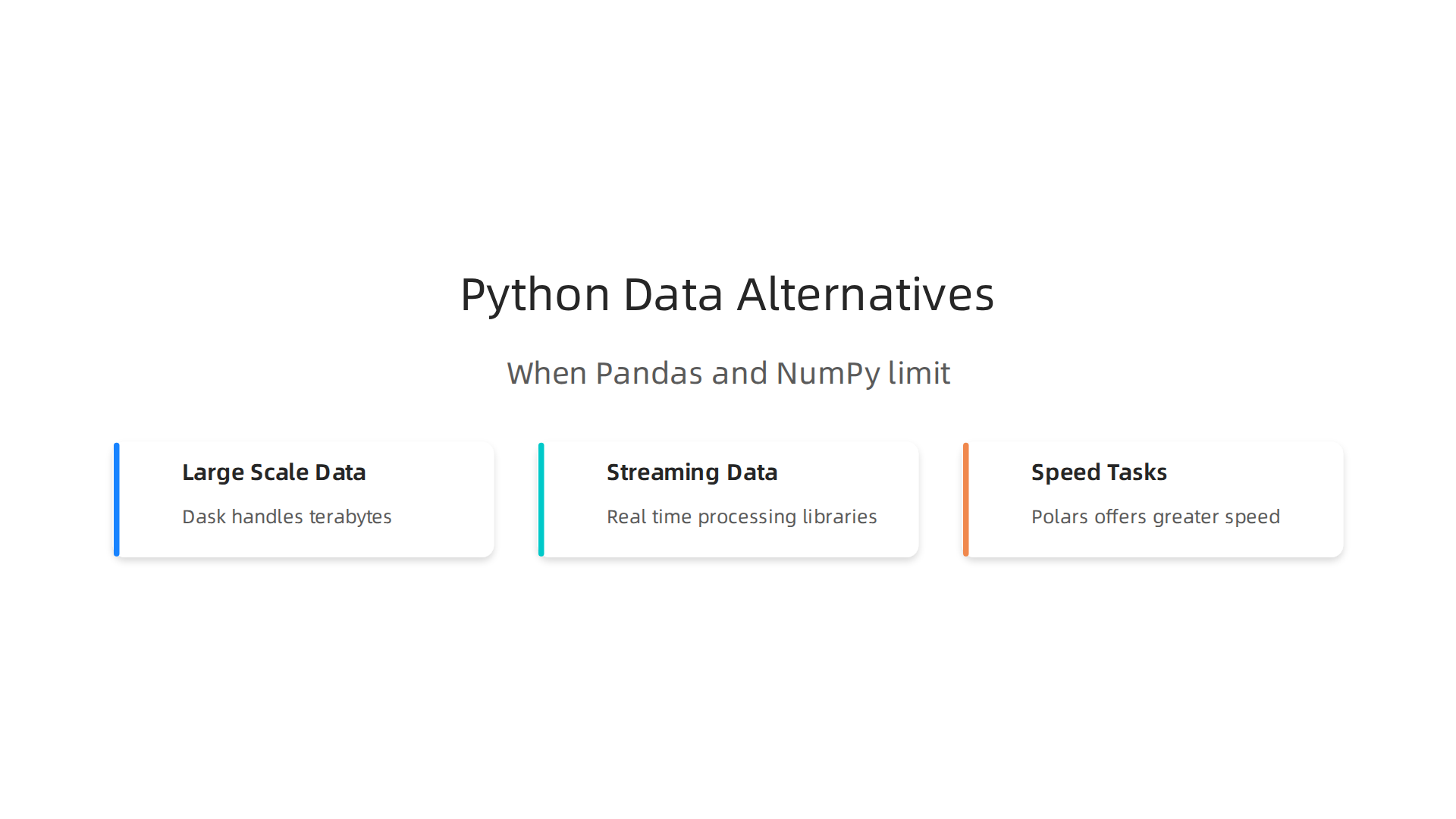
- Large-Scale Data: If you have gigabytes or even terabytes of data, Pandas can slow down. It needs all the data to fit into your computer’s active memory (RAM) to work its magic. For these really big jobs, tools like Dask can help. Dask works a lot like Pandas but can spread its work across many parts of your computer or even many computers, letting you handle much larger datasets.
- Streaming Data: For data that’s constantly flowing in, like sensor readings or website clicks, traditional Pandas operations might not be the best fit. Here, other libraries designed for real-time processing or specific data formats might be more efficient.
- Speed for Specific Tasks: Sometimes, even with normal-sized data, you might want extra speed. Newer tools like Polars, which are built using faster programming languages, offer DataFrame-like abilities but with greater speed, especially for certain types of operations. Resources like the Python in Data Analysis: The Ultimate Step-by-Step Guide often highlight these emerging alternatives for transforming raw datasets.
Choosing the right python data analysis tools depends on your specific needs, like how big your data is and how quickly you need results. Understanding these strengths and trade-offs helps you pick the best tool for the job. To learn more about selecting the right platform for your team’s needs, check out our guide on data analysis tools for ML teams.
Knowing which tools to use and when to use them is a big part of becoming good at data analysis. Staying up-to-date with new tools and practices can make a huge difference in your projects.
Get clear daily AI updates from The AI Newsletter Worth Reading.
Understanding which python data analysis tools to use is just one part of the puzzle. Another big part is being able to see your data clearly.
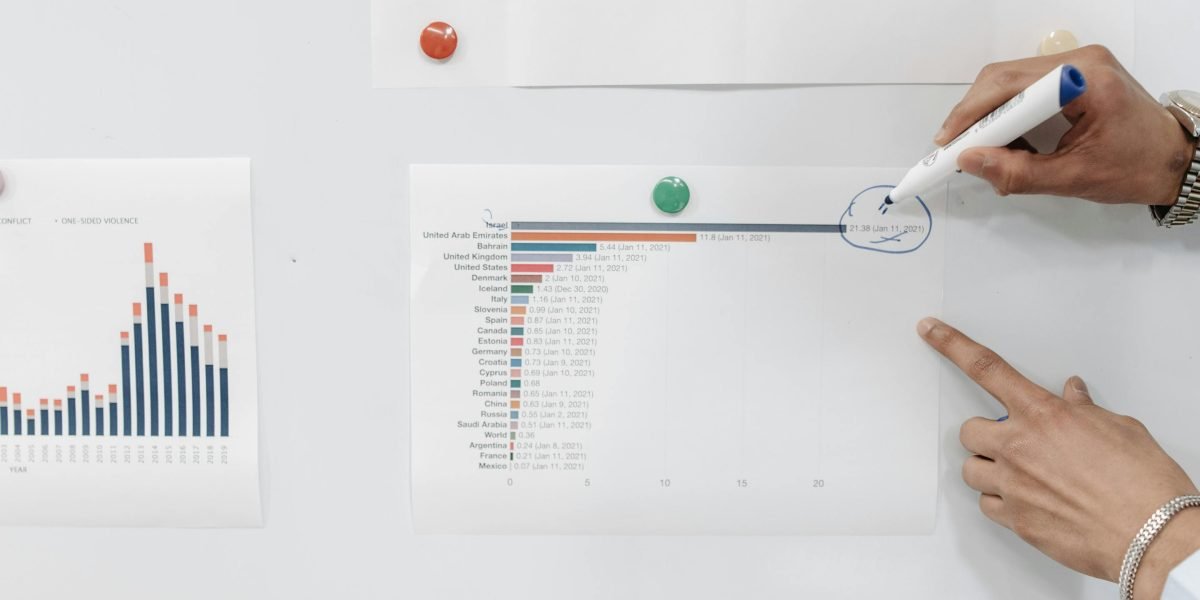
This is where visualization tools come in handy. They help us turn numbers into pictures, like charts and graphs, making it much easier to spot patterns, trends, and problems. In 2026, many great tools are available, from simple plotting libraries to advanced interactive options.
Matplotlib: The Classic Plotting Tool
Matplotlib is a very popular and foundational library for creating plots in Python. Think of it as your basic toolkit for drawing any kind of graph you can imagine. You can make line plots, scatter plots, bar charts, and more. It offers a lot of control over how your plots look, letting you customize almost every part of them. Many other tools build upon Matplotlib. For example, Scikit-learn, a major machine learning library, is built on top of NumPy, SciPy, and Matplotlib itself. It’s a great tool for making static images of your data, perfect for reports or presentations where the image doesn’t need to move or change. You can find many guides to get started with Matplotlib, which is a key part of python data analysis tools Introduction to Matplotlib.
Seaborn: Making Beautiful Plots Easily
While Matplotlib gives you lots of control, it can sometimes take a lot of code to make a truly beautiful or complex graph. That’s where Seaborn steps in. Seaborn is like a helpful assistant that works with Matplotlib. It’s designed to make more attractive and informative statistical plots with less effort. Seaborn is great for exploring relationships between different parts of your data, like showing how two groups compare or how a trend changes over time. It often makes plots that look good right out of the box. Both Matplotlib and Seaborn are widely used among python data analysis tools for showing insights from data 12 Must-Have Data Analysis Tools for 2026.
Altair: For Interactive Visuals
Sometimes, a static picture isn’t enough. You might want to zoom in on a part of the graph, click on a point to see more details, or filter the data right there in the chart. This is where interactive visualization tools like Altair shine. Altair lets you create beautiful, interactive plots by simply describing what you want to see. It’s built on top of a powerful system called Vega-Lite. These interactive plots are especially useful in places like Jupyter Notebooks or Google Colab Python notebooks, where you can play with the data and see changes instantly.
Static vs. Interactive: Choosing What’s Best
The choice between static tools (like Matplotlib and Seaborn) and interactive ones (like Altair) depends on your needs:
- Static Plots: Best for final reports, papers, or presentations where you need a fixed image. They are easy to share and print.
- Interactive Plots: Great for exploring data yourself, sharing with colleagues who might want to dig deeper, or when presenting in a live setting where you can show different aspects of the data. They are especially useful in machine learning workflows, helping you understand your model’s performance by letting you interact with prediction errors or feature distributions.
These visualization tools can be easily built into your data projects. You can put them in Jupyter Notebooks for exploration, or include them in dashboards and reports to share your findings. Mastering how to use these tools effectively is key to making your data analysis clear and impactful. Learning how to integrate these visual elements into your overall data management can greatly improve your team’s efficiency. Discover how to enhance your processes by reading our guide on optimize your machine learning workflow.
After you’ve looked at your data with charts and graphs, the next big step is often to build smart models. These models can help you make predictions or find hidden patterns. This is where special tools for machine learning come in. They are also important python data analysis tools. We have many great choices in 2026, each good for different kinds of jobs.
Modeling libraries and frameworks: scikit-learn, PyTorch, TensorFlow, JAX and the typical use-cases
When you want to teach a computer to learn from data, you use what are called modeling libraries or frameworks.
Think of these as toolkits for building smart computer programs. Different toolkits are best for different tasks, from simple guesses to very complex AI.
Scikit-learn: Easy Machine Learning for Everyone
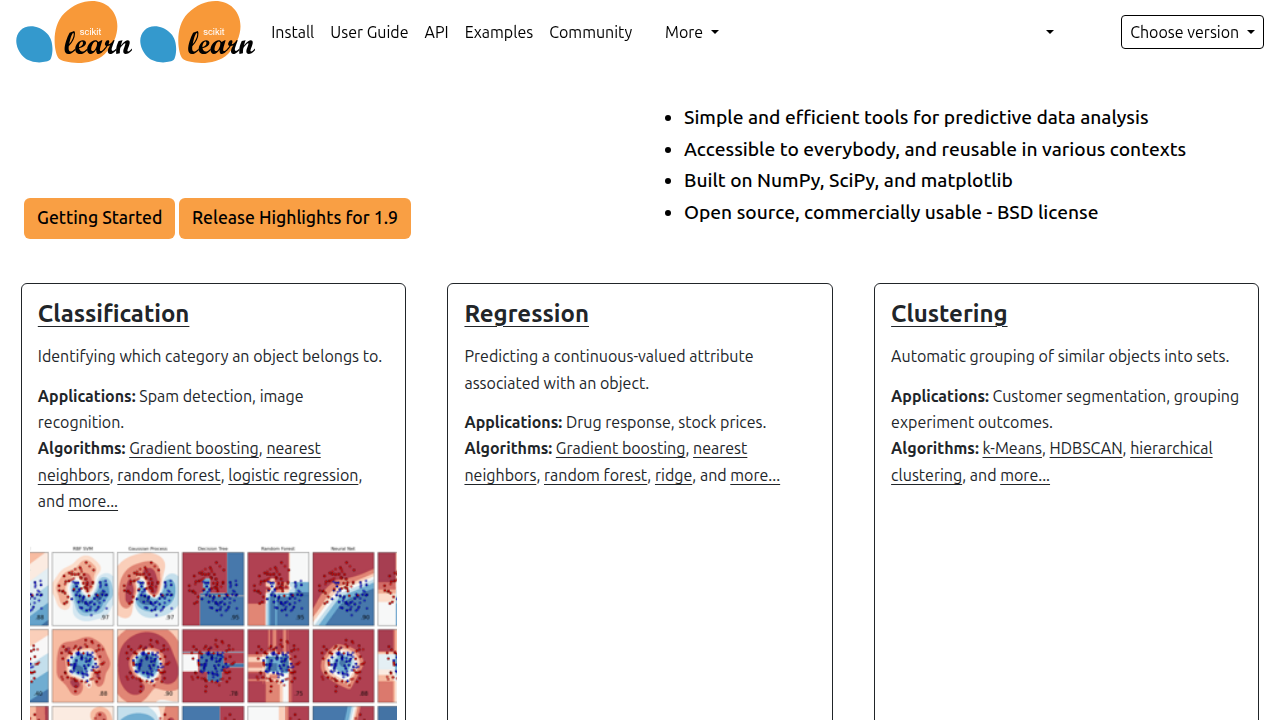
Scikit-learn is a very popular choice for many common machine learning tasks. It’s like a Swiss Army knife for data science. You can use it to sort data into groups, predict what might happen next, or find simple rules in your information. It’s built on other important Python tools like NumPy. Scikit-learn is great for when you are just starting out or want to quickly try out an idea (we call this prototyping). It makes it easy to get models working without a lot of extra fuss. You can learn more about this library on the scikit-learn machine learning in Python website.
Many experts consider it an essential part of python data analysis tools.
PyTorch, TensorFlow, and JAX: For Deep Learning Powers
For more complex kinds of AI, like making computers understand pictures or language, we use "deep learning" frameworks. These are like super-powered toolkits.
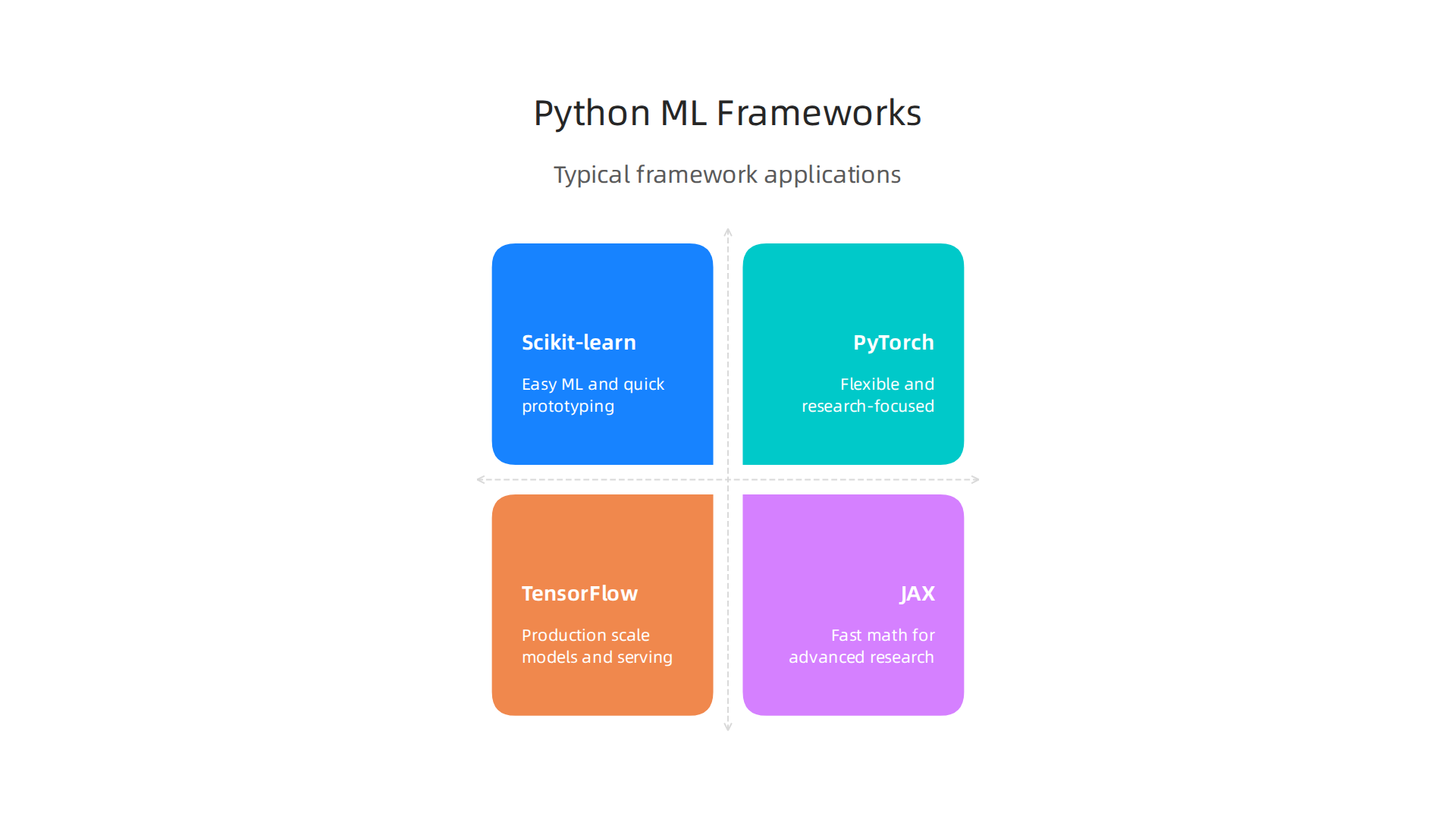
- PyTorch: Many researchers and people who try new ideas love PyTorch. It’s known for being flexible and letting you build models in a way that feels natural, almost like writing regular Python code. If you’re doing a lot of experiments or working on new research, PyTorch is often a top pick.
- TensorFlow: This tool, made by Google, is really strong for big projects and getting models ready to be used by lots of people in real products. It has many extra tools to help you take your model from an idea to something that works in the real world. TensorFlow is often used when you need to run your models at a very large scale.
- JAX: Also from Google, JAX is great for people who need super-fast math and want to build very special kinds of models. It’s built to make your code run quickly on powerful computer chips, which is key for advanced research. You might use JAX in environments like a Google Colab Python notebook for high-speed tasks.
For a helpful overview of some of these tools, you can watch a video about 4 Machine Learning Libraries Every Beginner Should Know. For a deeper dive into the differences, especially in performance and ecosystems, a comparison of PyTorch vs TensorFlow vs JAX can be useful.
Picking the Right Tool for the Job
Choosing the right tool depends on what you want to do:
- Scikit-learn is perfect for standard machine learning tasks, quick trials, and when you need clear, simple models.
- PyTorch, TensorFlow, and JAX are better for deeper, more complex AI projects, especially deep learning. PyTorch shines in research, TensorFlow in production, and JAX for high-performance math.
What’s really cool is that these tools often work together. You can sometimes take a model built in one framework and convert it to work with another. This is called interoperability. For example, PyTorch models can be changed into other formats, which makes them good for many uses, from research to running on smaller devices Which Deep Learning Framework Should I Choose: TensorFlow …. This helps teams work better together, even if different people like using different tools. Knowing how to pick the right AI tool is a skill in itself, and you can learn more about choosing all AI tools types evaluation and workflow for 2026.
Staying up to date on these fast-changing tools is very important.
Get clear daily AI updates from The AI Newsletter Worth Reading.
Once you have chosen the right tools to build your smart models, the next important step is to make sure they can actually be used. This is called "scaling and deployment."

It’s about getting your models out of the lab and into the real world so they can do their job. This part is super important for any company using python data analysis tools today.
How Models Go from Idea to Real Use
When you deploy a machine learning model, you’re setting it up to make predictions on new data. There are two main ways this happens:
- Batch Scoring: Imagine you have a huge pile of papers that all need checking. Batch scoring is like processing all those papers at once, perhaps overnight. You feed a large amount of data into your model, and it gives you all the answers at one time. This is good for tasks that don’t need instant replies, like monthly reports or large data cleanups.
- Real-time Inference: This is like asking your model a question and getting an answer right away. Think about getting product recommendations on a website or having a voice assistant understand your words. Here, the model needs to be ready to make a single prediction very quickly, often in milliseconds.
The way you choose to deploy your model depends a lot on whether you need batch or real-time answers.
Different Ways to Make Your Models Work
There are several common ways to set up your models for use in 2026:
- Containerized Microservices: Think of this as putting your model and all its needs (like a
python interpreterand specific software versions) into a neat little box. This "box" is called a container. You can then easily move this container to different computers or cloud services. Each container runs as a small, independent service. This makes it easy to update or change just one part of your system without messing with everything else. - Serverless Options: With serverless, you write your model’s code, and a cloud provider (like Amazon, Google, or Microsoft) takes care of running it. You don’t have to worry about managing servers or how much power they need. Your code simply runs when someone needs a prediction, and you only pay for the exact time your code is active. This is great for tasks that happen now and then, or if you want to save on costs by not having servers running all the time.
- Specialized Inference Runtimes: These are special programs designed just to make AI models run super fast. They are often optimized to work well with powerful computer chips. For example, if you trained a model using PyTorch or TensorFlow, you might use a runtime built to specifically make those models perform at their best. They help get predictions out as quickly and cheaply as possible. To truly master the flow, you might want to learn about optimizing your machine learning workflow to cut bottlenecks and speed up model delivery.
MLOps: Keeping Everything Running Smoothly
Making sure models are built, deployed, and kept up-to-date is a big job. This whole process is called MLOps, which stands for Machine Learning Operations. It’s a bit like DevOps for regular software, but tailored for the unique needs of machine learning. MLOps helps teams work together better, from the data scientists building the models to the engineers who make them run.
Many companies are focusing on MLOps in 2026 because it helps them make sure their models are always working correctly and giving useful results. The market for MLOps is growing quickly, with predictions showing it will reach billions of dollars by the end of 2026, showing just how vital these practices are becoming MLOps Market Projected to Reach USD 4.38 Billion in 2026.

If you’re looking to dive deeper, you might explore a step by step MLOps learning roadmap for 2026.
Choosing the right deployment pattern and understanding MLOps tools are key skills for anyone working with python data analysis tools. They make sure your smart models can bring real value. Learning about top 15 MLOps tools for 2026 can help you stay ahead. For more insights on picking the right tools, consider exploring data analysis tools 2026: choosing the right platform for ML teams.
Now, let’s talk about making sure your machine learning work can be repeated and trusted. This is called "MLOps and reproducibility." It’s about setting up special systems and ways of working so that everyone on a team can understand how a model was built, and even build it again with the exact same results. This is super important for any company using python data analysis tools in 2026.
Essential Elements for Reproducible ML
For machine learning models to be truly reliable, you need a few key things:
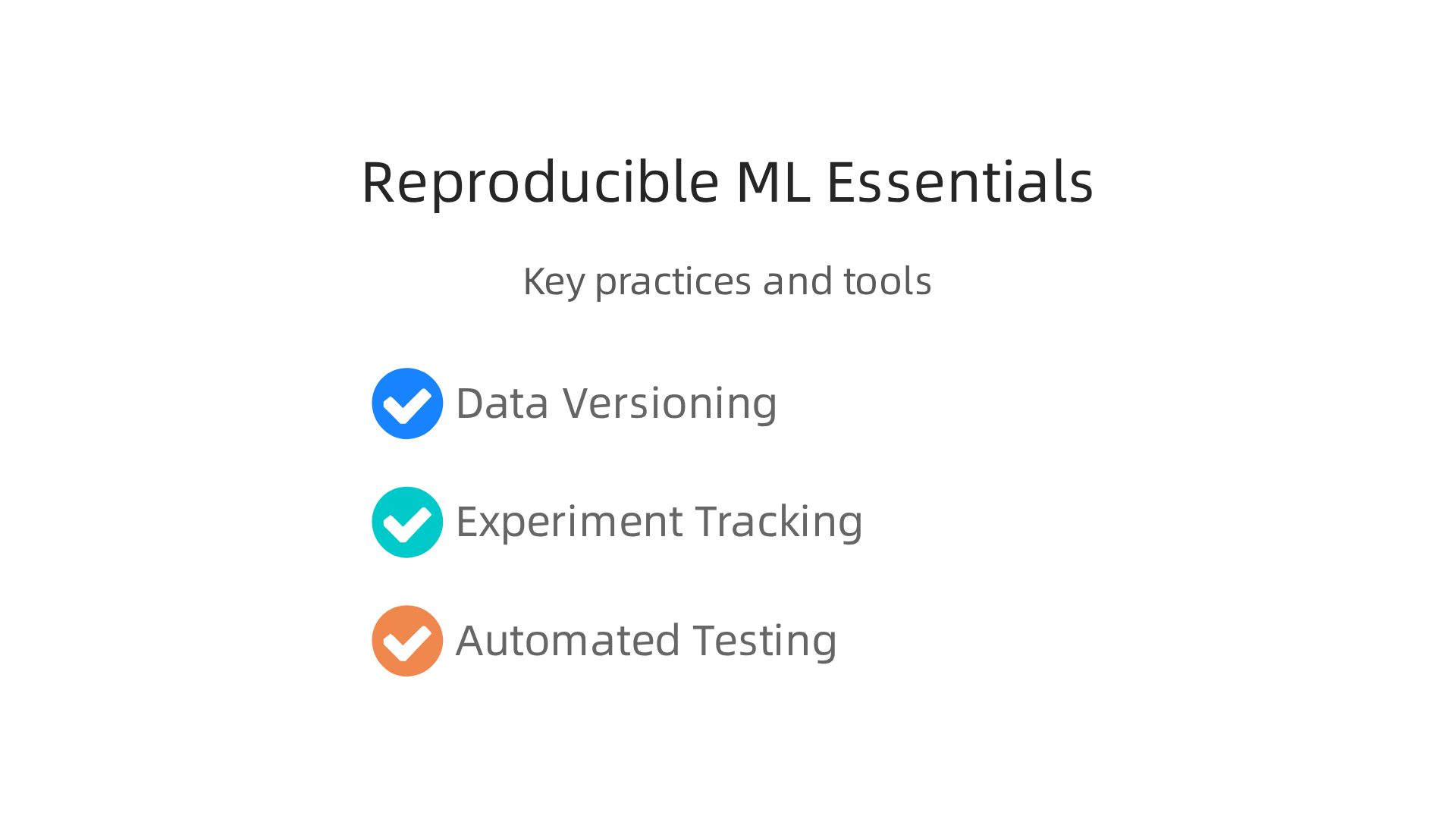
- Data Versioning: Imagine you are writing a book, and you keep track of every change you make. Data versioning is like that, but for your data. It means keeping a clear record of every version of the data used to train your models. Why? Because if your data changes, your model’s predictions might change too. Knowing exactly which data led to which model helps you go back and fix problems or understand why a model behaves a certain way.
- Experiment Tracking: When data scientists try different ways to build a model, they are doing "experiments." Experiment tracking means keeping detailed notes of each experiment. This includes what code was used, what settings were chosen, and how well the model performed. This way, you don’t lose track of good ideas or repeat mistakes. It’s like a scientific notebook for your AI projects.
- Automated Testing (CI/CD for ML): This is about setting up automatic checks. "CI/CD" stands for Continuous Integration and Continuous Delivery. For machine learning, it means that every time you make a change to your code or data, tests run automatically to make sure everything still works. This helps catch problems early, before a bad model makes its way to users. It ensures that your models, even with new updates, always run correctly and give useful predictions.
How Python Tooling Integrates with MLOps
Python is a huge part of the MLOps world. Many of the best python data analysis tools and libraries are used to build these reproducible systems. For example, Python scripts are used in:
- Pipelines: These are like assembly lines for your data and models. They automate all the steps, from cleaning data to training a model and getting it ready for use. Python is the main language for writing these pipelines.
- Experiment Tracking Platforms: Many MLOps platforms use Python to connect your experiments to their tracking systems. This lets you log all your settings and results right from your
python interpreter. - Orchestration Frameworks: These frameworks manage how all the different parts of your MLOps system work together. Python is often the language used to tell these frameworks what to do.
Many of the top Python libraries for AI, machine learning, and data science in 2026 are built to fit right into these MLOps practices, helping teams manage their complex workflows more easily Top Python Libraries in 2026: AI, ML, Data Science & NLP Tools. Learning to use these tools helps you master your python data analysis tools to get the best performance from your models and make them reliable for everyone. To truly excel, you’ll want to focus on Mastering Python Data Workflows for Peak Performance.
To keep up with all the new ideas and tools in AI and machine learning, you need a reliable source. Get clear daily AI updates from The AI Newsletter Worth Reading.
To keep getting the best results from your machine learning models and python data analysis tools, it’s key to pick the right tools and follow good rules. In 2026, the world of MLOps is growing very fast, showing just how important these systems are becoming for businesses MLOps Market Trends 2026–2035 | Opportunities and Challenges. So, how do you decide when to try new things or change your current setup?
How to Choose New Python Tools and Libraries
When you think about adding new python data analysis tools or libraries to your work, it’s like choosing a new helper for a big project. You need to ask yourself a few questions:
- Does it solve a real problem? Don’t just pick a new tool because it’s shiny and new. Make sure it helps you do something better, faster, or easier. For example, if you’re struggling with visualizing complex data, a new plotting library could be a good idea.
- Is it easy to use? A tool that’s too hard to learn or work with might slow you down more than it helps. Look for clear instructions and a helpful community.
- Is it well-supported? Check if the tool is actively being updated and if there are people who can answer questions if you get stuck. A popular library with a big community is often a safer bet. For example, many experts suggest using popular
python data analysis toolslisted in guides like the Top 31 Python Libraries for Data Science in 2026. - Does it work with your existing tools? You want new tools to fit nicely with what you already have, whether it’s your
python interpreteror how you manage your data. Think about how a new tool would fit into your overall workflow. If you’re using something likegoogle colab python, compatibility is key.
Sometimes, you might even consider building a custom python dictionary or script if an off-the-shelf tool doesn’t quite fit your unique needs. Making good choices about your AI tools is super important for your projects, and you can learn more about this process by reading our guide on Choosing All AI Tools: Types, Evaluation, and Workflow for 2026.
Important Rules for Your Tools
Beyond just picking the right tool, there are bigger rules to think about:
- Reproducibility: This is about being able to get the same results every time. When you use
python data analysis tools, you need to make sure your code, data, and settings are saved in a way that someone else (or even you in a few months) can recreate your work exactly. - Licensing: This refers to the rules about how you can use software. Some tools are free to use for anything, while others have special rules for business use. Always check the license to make sure you’re using tools properly.
- Security: Your tools should keep your data safe. This means looking for tools with good security features and making sure your systems are protected from outside threats.
- Maintenance: Tools need to be looked after. This includes updating them regularly to fix bugs and keep them running smoothly. When you choose a tool, think about how much effort it will take to keep it working well over time.
By keeping these points in mind, you can make smart decisions about your python data analysis tools and ensure your projects are strong and reliable for the long run.
Summary
This article explains why Python remains the dominant ecosystem for machine learning in 2026 and maps the core tools you’ll use across a full ML workflow. It covers data ingestion and cleaning with Pandas and NumPy, exploration and visualization using Matplotlib, Seaborn and Altair, plus modeling choices from scikit-learn to PyTorch, TensorFlow and JAX. The piece explains deployment patterns (batch, real-time, containerized, serverless), MLOps practices for reproducibility (data versioning, experiment tracking, CI/CD), and when to consider alternatives like Dask or Polars for scale or speed. Readers will learn how these libraries interoperate, how to pick tools for specific needs, and which operational practices keep models reliable and production-ready. Practical guidance helps you balance ease-of-use, performance, cost and maintainability when growing ML projects with Python.